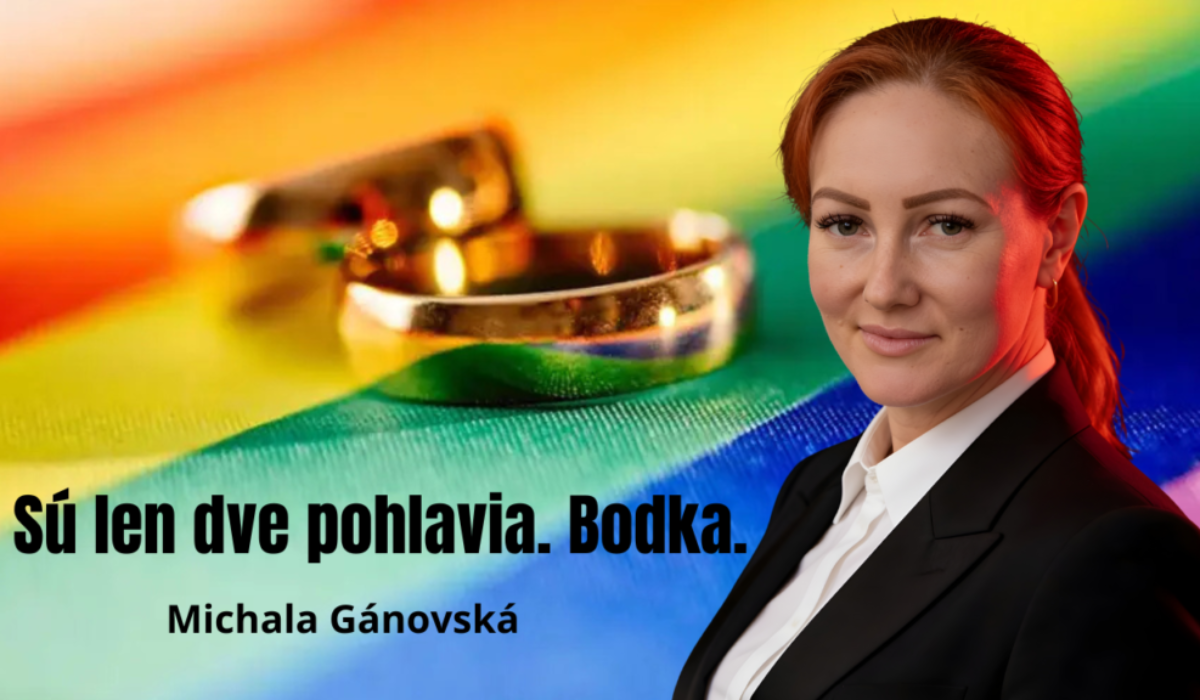
Národná rada SR ešte vlani schválila ústavnú novelu, ktorá zakotvila, že Slovenská republika uznáva iba dve biologické pohlavia – muža a ženu. Návrh získal ústavnú väčšinu a stal sa jednou z najvýznamnejších hodnotových zmien v novodobých dejinách Slovenska.
„Slovenská republika uznáva len biologicky určené pohlavie muža a ženy.“ (čl. 52a Ústavy SR)
„Rodičmi dieťaťa sú matka a otec; matkou dieťaťa je žena a otcom dieťaťa je muž.“ (čl. 41 ods. 2 Ústavy SR)
Nie je náhoda, že práve táto zmena vyvolala silnú odozvu doma aj v zahraničí. V skutočnosti totiž nejde iba o otázku pohlaví. Ide o oveľa väčší spor. Spor o to, kto bude určovať hodnotové smerovanie Slovenska – slovenskí občania prostredníctvom svojich volených zástupcov, alebo nadnárodné inštitúcie, aktivistické organizácie a politické elity v Bruseli…?
Slovensko, pod vedením premiéra Roberta Fica, sa rozhodlo, že v základných kultúrnych a etických otázkach nebude automaticky preberať trendy, ktoré sa v posledných rokoch šíria západnou Európou. V čase, keď sa v niektorých krajinách diskutuje o desiatkach rodových identít a biologická realita sa stáva predmetom ideologických sporov, slovenský parlament vyslal jasný odkaz: štát bude stáť na biologickom a tradičnom chápaní človeka.
Slovenská opozícia reagovala ostro. Predstavitelia strán progresívneho spektra označovali novelu za krok späť, za útok na menšiny a za údajné ohrozenie postavenia Slovenska v Európskej únii. Benátska komisia Rady Európy odporúčala odstrániť ustanovenie o dvoch pohlaviach. Európsky parlament upozorňoval na údajné riziko diskriminácie a viaceré mimovládne organizácie žiadali Brusel o zásah voči Slovensku.
Práve tu sa však ukazuje zásadný paradox dnešnej Európy. Európska únia často hovorí o rozmanitosti, pluralite a rešpekte k odlišnostiam. Ak však niektorý štát zaujme konzervatívny postoj založený na vlastnej kultúrnej tradícii, okamžite čelí kritike. Rozmanitosť sporov je vítaná iba dovtedy, pokiaľ sa neodchyľuje od progresívneho mainstreamu.
Premiér Robert Fico tento spor od začiatku prezentoval ako zápas za zachovanie národnej suverenity v kultúrno-etických otázkach. Slovensko má právo samo rozhodovať o otázkach rodiny, výchovy detí, manželstva a biologickej identity bez toho, aby bolo vystavené vonkajšiemu ideologickému tlaku.
A tento rok je téma stále živá a tlaky na zmenu ústavy neutíchajú.
Najnovším testom ústavných zmien sa stal poslanec Progresívneho Slovenska Michal Sabo. Ten sa 9. mája 2026 zosobášil so svojím partnerom v rakúskom Hainburgu a následne oznámil, že bude žiadať slovenské úrady o uznanie tohto manželstva. Sabo sa pritom odvoláva na rozhodnutie Súdneho dvora Európskej únie z novembra 2025, podľa ktorého majú členské štáty za určitých okolností uznávať manželstvá osôb rovnakého pohlavia uzavreté v inom členskom štáte.
Premiér Robert Fico v reakcii na tento vývoj vyhlásil, že chce prijať vykonávacie predpisy, aby sa nestalo, že páry zosobášené v zahraničí budú na Slovensku žiadať registráciu manželstva v rozpore s ústavou. Uviedol, že nechce pripustiť situáciu, keď sa homosexuálny pár zosobáši v zahraničí a následne bude požadovať uznanie takého manželstva na Slovensku.
Ak by sa spor dostal pred súdy, nepôjde už len o prípad jedného poslanca. Pôjde o oveľa zásadnejšiu otázku: či bude mať posledné slovo slovenská Ústava prijatá ústavnou väčšinou parlamentu, alebo rozhodnutia nadnárodných inštitúcií. Práve preto sa Slovensko ocitlo v centre európskej hodnotovej debaty.
Autor: Michala Ganovská
Pre partnerské zahraničné médiá zverejňujeme aj v anglickom jazyku.
Slovakia Defies Brussels: „There Are Only Two Sexes“ — A Message to the EU and the West
Last year, the National Council of the Slovak Republic adopted a constitutional amendment stating that the Slovak Republic recognizes only two biological sexes: male and female. The proposal secured the required constitutional majority and became one of the most significant value-based changes in Slovakia’s modern history.
„The Slovak Republic recognizes only the biologically determined sex of a man and a woman.“
(Article 52a of the Constitution of the Slovak Republic)
„The parents of a child are the mother and the father; the mother of a child is a woman and the father of a child is a man.“
(Article 41(2) of the Constitution of the Slovak Republic)
It is no coincidence that this amendment triggered a strong reaction both domestically and abroad. In reality, the debate is not merely about sex and gender. It represents a much broader conflict — a conflict over who should determine Slovakia’s value orientation: Slovak citizens through their democratically elected representatives, or supranational institutions, activist organizations, and political elites in Brussels.
Under the leadership of Prime Minister Robert Fico, Slovakia has decided that it will not automatically adopt cultural and ethical trends that have spread across parts of Western Europe in recent years. At a time when some countries are debating dozens of gender identities and biological reality itself has become the subject of ideological disputes, the Slovak Parliament sent a clear message: the state will continue to uphold a biological and traditional understanding of human identity.
The opposition reacted sharply. Representatives of progressive political parties described the amendment as a step backward, an attack on minorities, and a potential threat to Slovakia’s standing within the European Union. Critics argued that the country was placing itself at odds with the social and cultural developments of Western Europe.
Several European institutions were equally critical. The Venice Commission of the Council of Europe recommended removing the constitutional provision recognizing only two sexes. Critics in the European Parliament warned of potential risks of discrimination, while a number of non-governmental organizations called on Brussels to intervene.
Yet this situation reveals one of the central paradoxes of contemporary Europe. The European Union frequently speaks about diversity, pluralism, and respect for differences. However, when a member state adopts a conservative position rooted in its own cultural traditions, it often faces immediate criticism. Diversity of opinions appears welcome only as long as those opinions do not diverge from the prevailing progressive consensus.
From the very beginning, Prime Minister Robert Fico has framed the issue as a struggle to preserve national sovereignty in cultural and ethical matters. According to this view, Slovakia has the right to make its own decisions regarding family policy, child upbringing, marriage, and biological identity without being subjected to external ideological pressure.
And even this year, the debate remains very much alive. Calls to challenge or revise the constitutional provisions have not subsided.
The latest test of these constitutional changes emerged with Michal Sabo, a Member of Parliament from Progressive Slovakia. On May 9, 2026, Sabo married his partner in Hainburg, Austria, and subsequently announced that he would seek official recognition of the marriage by Slovak authorities.
Sabo has cited a November 2025 ruling of the Court of Justice of the European Union, which held that, under certain circumstances, EU member states must recognize same-sex marriages legally concluded in another member state.
In response, Prime Minister Robert Fico stated that he intends to introduce implementing legislation to prevent situations in which couples married abroad could seek registration of such marriages in Slovakia in a manner that would conflict with the Constitution. He emphasized that he does not wish to allow a scenario in which a same-sex couple marries abroad and subsequently demands recognition of that marriage under Slovak law.
Should the dispute ultimately reach the courts, it would no longer concern the case of a single parliamentarian. Instead, it would raise a far more fundamental question: Who should have the final say — the Slovak Constitution, adopted by a constitutional majority of the national parliament, or the interpretations and decisions of supranational institutions?
This is precisely why Slovakia has found itself at the center of one of Europe’s most important value-based debates. The issue extends far beyond questions of marriage or gender. It touches on the future balance between national sovereignty and supranational authority, between democratic self-government and external political influence.
Whether one agrees or disagrees with Slovakia’s constitutional position, one fact is undeniable: a small Central European nation has chosen to assert its right to define its own values. And in today’s Europe, that decision has become a matter of continental significance.
Author: Michala Ganovská